

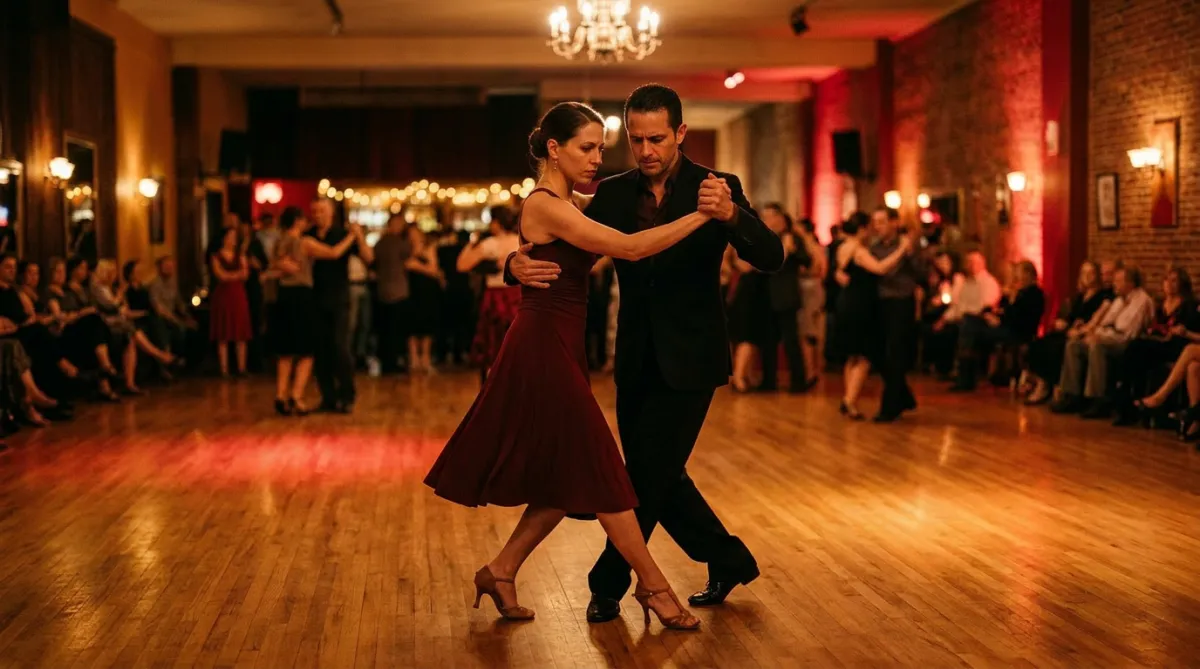
Dancing Through the Four Stages of Competence

If tango feels harder than when you started, you’re not doing it wrong—you’re becoming aware. Here’s why that matters, and why you should keep going.

If tango feels harder than when you started, you’re not doing it wrong—you’re becoming aware. Here’s why that matters, and why you should keep going.

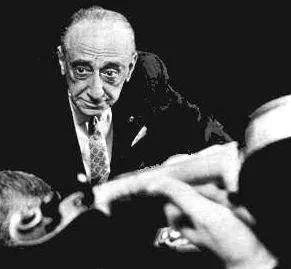
From 2/4 to 4/8, explore the rhythmic engine behind Juan D’Arienzo’s tango and why his music feels so powerful in the body.

From a homemade violin to high society ballrooms, discover how Francisco Canaro transformed tango into a global phenomenon—through innovation, controversy, and a legendary romance.

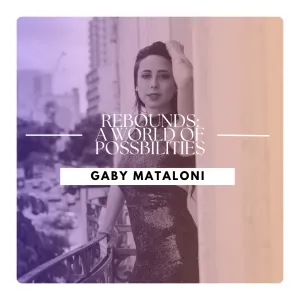
Meet the women who challenged tango’s male-dominated legacy—from forgotten bandoneonistas to feminist orquestas reclaiming the stage.

Why tango feels addictive: the science, emotion, and connection behind the dance we can’t quit.

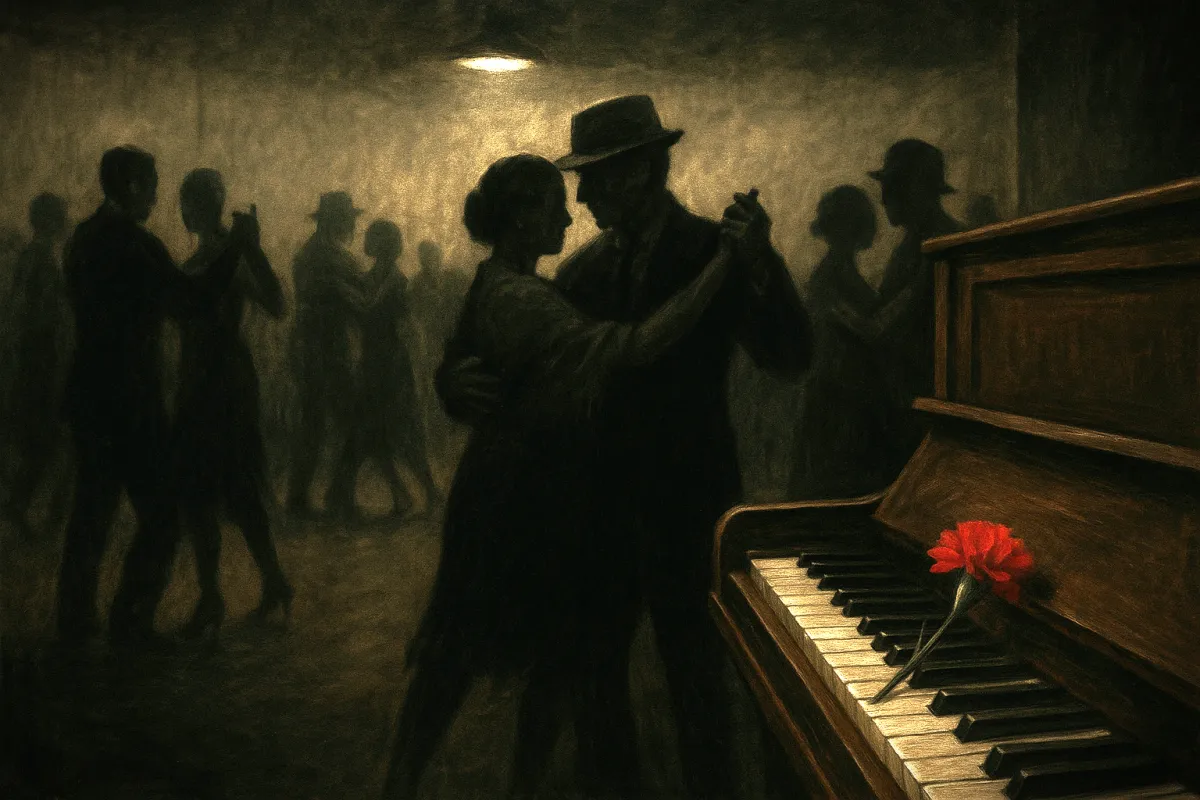
During Argentina’s most repressive years, tango didn’t vanish — it went underground. From banned lyrics to symbolic gestures like Pugliese’s red carnation, musicians and dancers found ways to resist through rhythm, poetry, and presence.